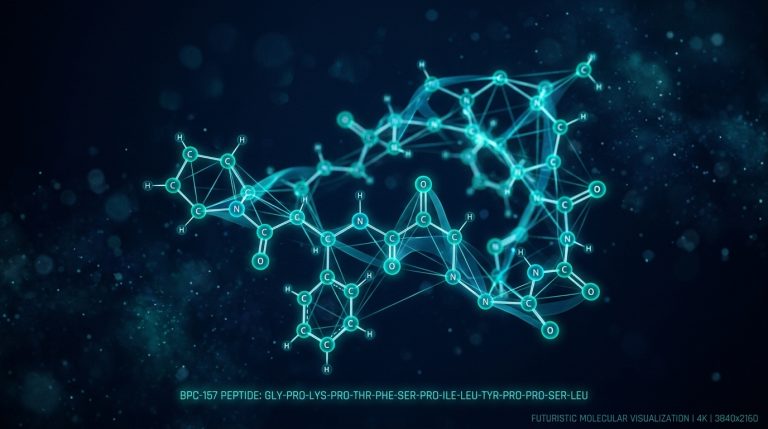
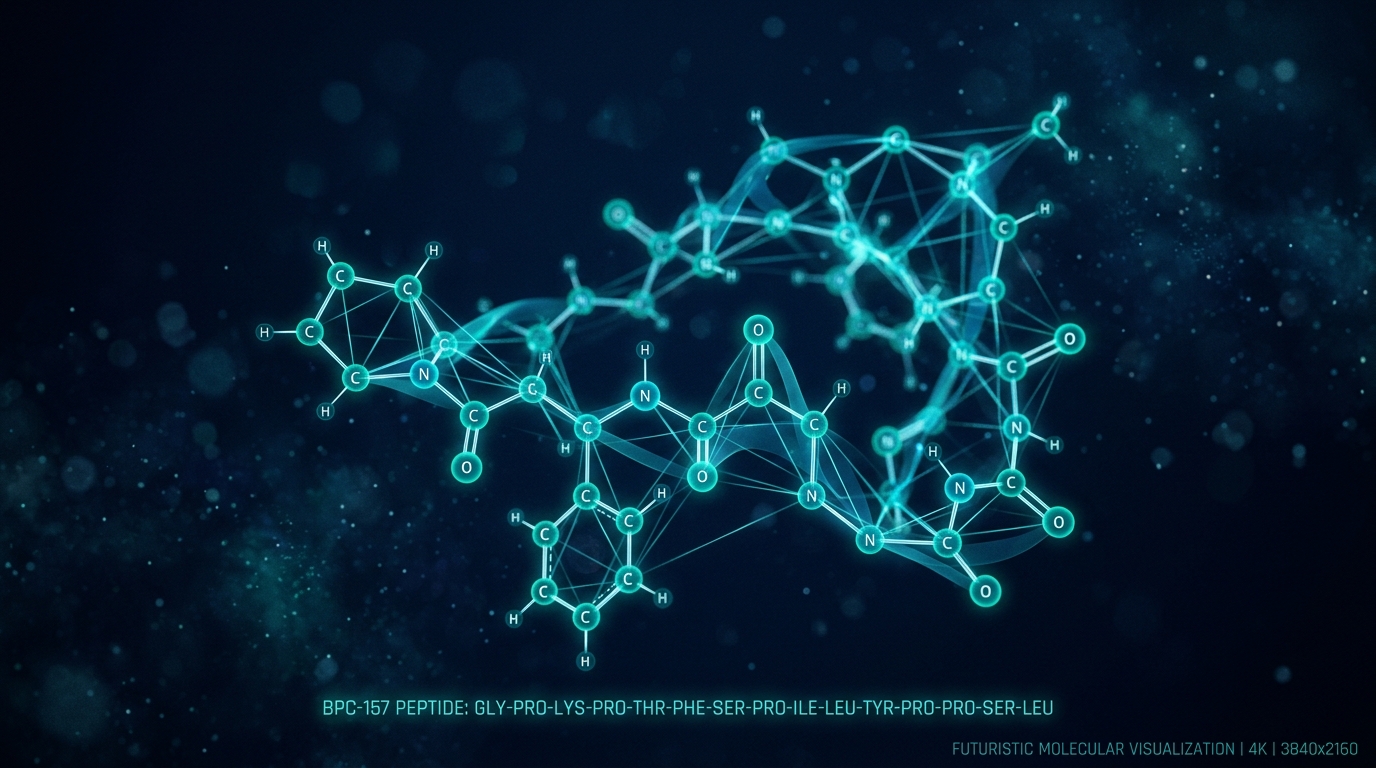
If you are sourcing BPC-157 for a lab, one of the first choices you'll face is lyophilized vs non-lyophilized BPC-157. Both contain the same 15-amino-acid peptide sequence, but they reach the bench in very different physical states. That difference affects shelf life, storage, preparation time and how much handling your protocol needs. This guide explains what each format is, how they compare, and how to pick the right one for your research workflow.
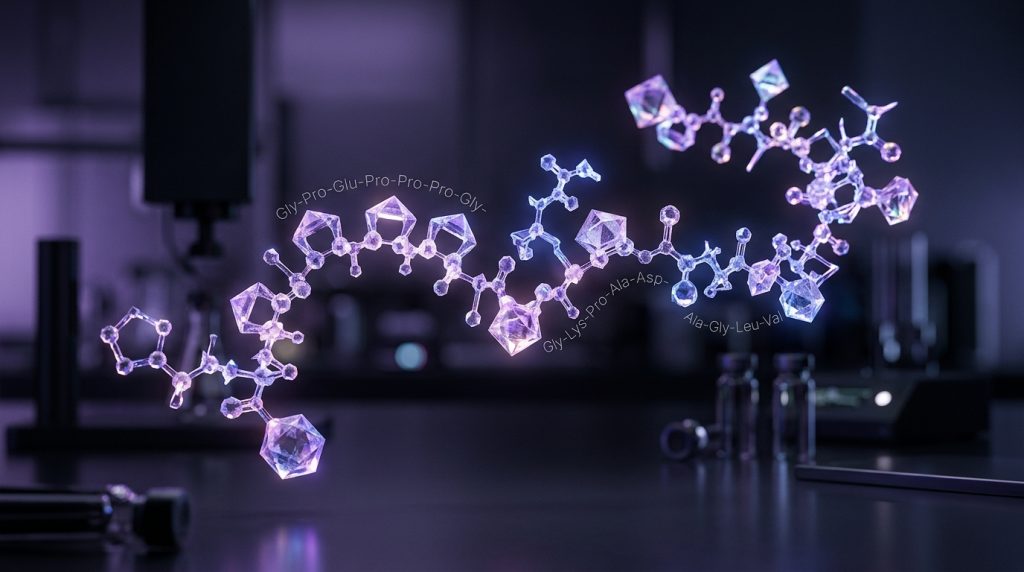
What Does Lyophilized BPC-157 Mean?
Lyophilization is another word for freeze-drying. The peptide solution is frozen, then placed under vacuum so the frozen water sublimates straight from ice to vapor without passing through a liquid phase. What remains is a dry powder or "cake" at the bottom of a sealed vial.
Removing water matters because water drives many of the reactions that slowly break peptides down, such as hydrolysis. That is why lyophilized peptides are generally regarded as the most stable format for shipping and long-term storage. Our BPC-157 Premium lyophilized vials come in 6mg, 10mg and 20mg sizes, and an acetate-salt lyophilized vial (10mg) is also available.
What Is Non-Lyophilized BPC-157?
Non-lyophilized BPC-157 skips the freeze-drying step. The peptide is supplied already dissolved in solution, so it arrives in liquid form instead of as a dry powder. For researchers, the main appeal is convenience: there is no reconstitution step before the material can be measured into an experiment.
The trade-off is stability. A peptide in solution is exposed to water from day one, so non-lyophilized formats generally have a shorter usable window and need consistent cold storage. Examples in our catalog include BPC-157 Acetate Non-Lyophilized (10mg) and the non-lyophilized BPC-157 Acetate spray.
Lyophilized vs Non-Lyophilized BPC-157: Side-by-Side
Here is how the two formats usually compare in a lab setting:
- Physical form: lyophilized is a dry powder in a sealed vial; non-lyophilized is a ready-made liquid.
- Preparation: lyophilized needs reconstitution with a suitable diluent; non-lyophilized is ready to measure.
- Stability: lyophilized is generally more stable over months; non-lyophilized is more sensitive to time and temperature.
- Storage: lyophilized vials are usually kept cold and dry, often frozen for long-term storage; non-lyophilized solutions are refrigerated and should not be left at room temperature.
- Shipping tolerance: dry powder tolerates transit better than a solution.
- Concentration control: with lyophilized material, the researcher sets the final concentration; with non-lyophilized material, it is set by the supplier.
Storage and Handling in the Lab
Good storage protects the integrity of any peptide sample, whatever the format. Common laboratory practices include:
- Keep unopened lyophilized vials cold, dry and away from light. Many labs freeze them for long-term storage.
- Let a cold vial reach room temperature before opening it, which limits condensation on the powder.
- Once a lyophilized vial has been reconstituted, treat it like a solution: refrigerate it and use it within your protocol's validated window.
- Avoid repeated freeze-thaw cycles for any peptide in solution. Splitting the solution into single-use aliquots is a common way around this.
- Label every vial with the date it was received, reconstituted or opened.
Does the Salt Form Interact With the Format?
Format and salt form are two separate choices. Lyophilization describes the physical state of the product. The salt form (acetate, or a standard or arginine-salt version) describes the counter-ion paired with the peptide. You will find acetate BPC-157 in both lyophilized and non-lyophilized versions. If you are still deciding on the salt form, read our guide to BPC-157 acetate vs arginate salt forms before you choose a format.
How to Choose the Right BPC-157 Format
The better format depends on your workflow, not on one being universally superior:
- Choose lyophilized if you need long-term stock, want control over the final concentration, are running a long study, or ship to a remote lab.
- Choose non-lyophilized if you plan to use the material soon, want to skip reconstitution, or are running short pilot work where time on the bench matters most.
- Either way, ask for a batch-specific Certificate of Analysis (COA) with HPLC purity and mass-spec identity data. The format changes nothing about the need for verified purity.
FAQ: Lyophilized and Non-Lyophilized BPC-157
Is lyophilized BPC-157 more stable than liquid BPC-157?
Generally, yes. Removing water through freeze-drying slows the degradation reactions that affect peptides in solution, which is why dry powder is the standard format for long-term peptide storage.
Does lyophilization change the BPC-157 molecule?
No. Freeze-drying removes water. It does not change the amino acid sequence. Once reconstituted, the peptide is the same compound found in a non-lyophilized solution.
How should non-lyophilized BPC-157 be stored?
Keep it refrigerated, protect it from light and heat, and avoid freeze-thaw cycles. Check the product page and COA for any batch-specific handling notes.
Why does a lyophilized vial look almost empty?
A few milligrams of freeze-dried peptide forms a small, thin cake or film. That is normal and does not mean the vial is underfilled.
Find the Right BPC-157 Format for Your Lab
Whether your protocol calls for the long-term stability of lyophilized BPC-157 or the convenience of a ready-made solution, The BPC-157 Store stocks both formats in several sizes and salt forms. Start with our BPC-157 Premium 10mg lyophilized vial, or compare it with the non-lyophilized acetate option to see which fits your research best.
Shop Lyophilized BPC-157 VialsAll products are sold strictly for laboratory research use only. They are not intended for human or animal consumption, or for diagnostic or therapeutic use. Nothing in this article is medical advice.