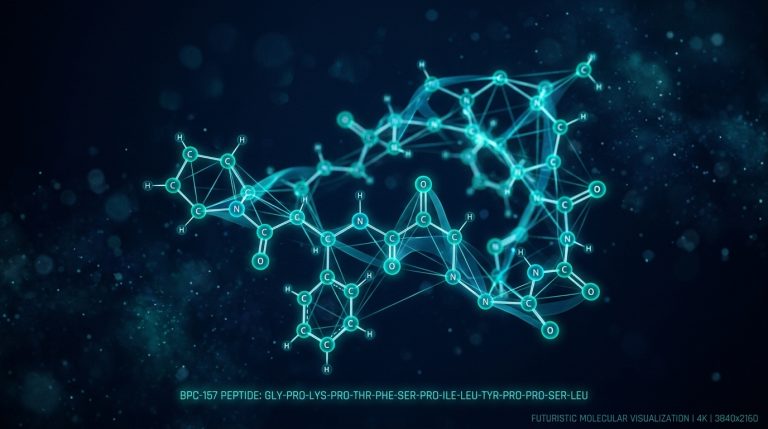
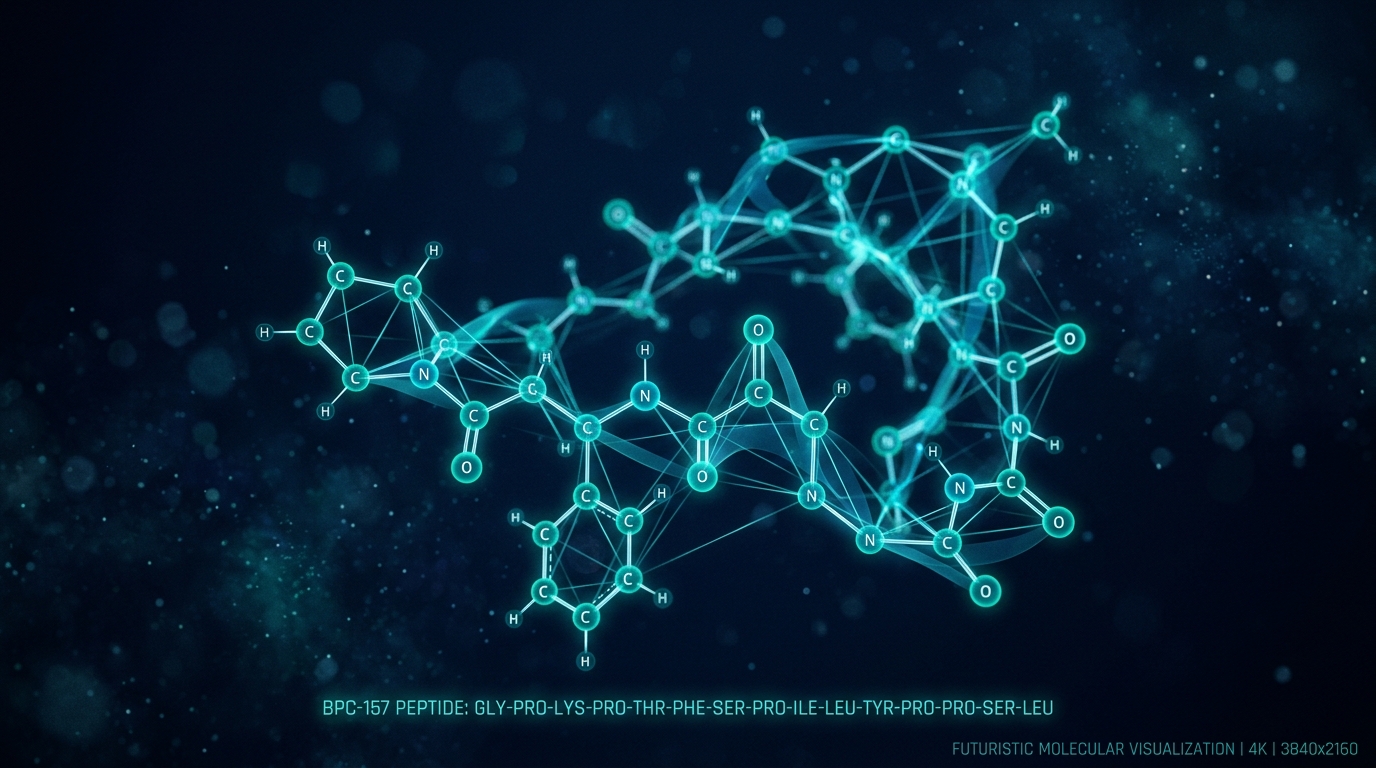
Knowing how to store BPC-157 correctly is one of the simplest ways to protect the integrity of a research peptide, yet it is also one of the most common questions labs ask. Temperature, light, moisture and repeated freeze-thaw cycles can all degrade a peptide before it ever reaches the bench. This FAQ collects the storage questions researchers ask most often and answers them with general, widely accepted laboratory handling practices for lyophilized and liquid BPC-157.
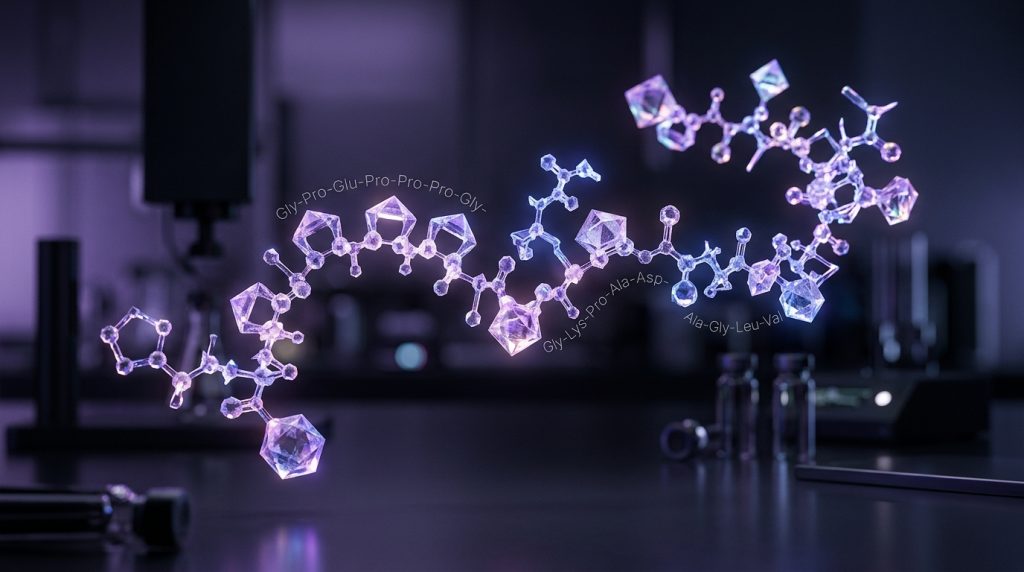
Why BPC-157 Storage Matters for Research Results
BPC-157 is a 15-amino-acid synthetic peptide derived from a sequence found in a protein in gastric juice. Like most peptides, it can be affected by hydrolysis, oxidation and aggregation over time. Published work from the research group that first characterized it has described the peptide as comparatively stable in gastric juice, which is one reason it attracted interest in animal-model studies. Even so, a stable sequence is not the same as an indestructible sample. If storage drifts from good practice, the material on the bench may no longer match the purity shown on its certificate of analysis, which undermines reproducibility.
Good storage habits help ensure that:
- The HPLC purity on the COA still reflects the material you are working with
- Results are comparable between experiments run weeks apart
- Less material is lost to degradation or contamination
How to Store Lyophilized BPC-157 Powder
Lyophilized (freeze-dried) peptide is the most storage-friendly form because removing water slows down most degradation pathways. Common laboratory practice for sealed, lyophilized vials such as our BPC-157 Premium 10mg lyophilized vial looks like this:
- Long-term: keep sealed vials frozen, typically around -20°C, in a non-frost-free freezer if possible
- Short-term: refrigeration at 2–8°C is generally acceptable for vials that will be used soon
- Light: store in the original box or an opaque container, away from direct light
- Moisture: keep vials tightly sealed; a desiccant in the storage container adds protection
Storing Reconstituted BPC-157 in the Lab
Once a lyophilized peptide is reconstituted for lab work, it becomes much more sensitive. Typical handling practices for reconstituted research solutions include:
- Refrigerating the solution at 2–8°C rather than leaving it at room temperature
- Using sterile technique and a suitable sterile or bacteriostatic diluent chosen for the assay
- Dividing the solution into single-use aliquots so the main stock is not repeatedly opened
- Labeling each aliquot with the compound, concentration and preparation date
- Following your lab's internal protocol for how long prepared solutions remain in use
Non-Lyophilized, Spray and Capsule Formats
Not every research format arrives as a dry powder, and storage needs differ by form. Liquid products such as the BPC-157 Acetate Non-Lyophilized 10mg and the BPC-157 Spray Premium 10mg are already in solution, so they are generally kept refrigerated and protected from light from the moment they arrive. Solid formats such as BPC-157 capsules are usually kept cool, dry and tightly closed, away from heat and humidity. Always check the product label and documentation, since the supplier's instructions take priority over general guidance. For a deeper look at how the two main formats differ, see our guide to lyophilized vs non-lyophilized BPC-157.
Common BPC-157 Storage Myths
Myth: "Lyophilized peptide never needs refrigeration." Freeze-dried powder tolerates short periods at ambient temperature, such as during shipping, but cold storage is still the standard for keeping it stable over months.
Myth: "Freezing reconstituted solution is always better." Repeated freeze-thaw cycles can promote aggregation and degradation. If a lab freezes solutions at all, it typically does so as single-use aliquots that are thawed once.
Myth: "If it looks fine, it is fine." Degradation is not always visible. Analytical methods such as HPLC and mass spectrometry are the only reliable way to confirm purity and identity.
Shipping, Arrival and Inspection
Lyophilized peptides are routinely shipped at ambient temperature because the dry form tolerates short transit periods. What matters most is what happens after delivery:
- Move vials into cold storage promptly after the package arrives
- Check that seals and caps are intact and that powder is not visibly wet or collapsed
- Match the lot number on the vial to the lot shown on the COA
- Record the date received in your inventory log
BPC-157 Storage FAQ
What temperature should BPC-157 be stored at?
Sealed lyophilized vials are commonly kept frozen at around -20°C for long-term storage, or at 2–8°C for short-term use. Reconstituted solutions are typically refrigerated at 2–8°C.
Can BPC-157 be stored at room temperature?
Lyophilized powder can tolerate room temperature for short periods, such as transit, but it is not recommended for ongoing storage. Liquid formats should not be left at room temperature.
How long does reconstituted BPC-157 last in the fridge?
There is no single universal figure; stability depends on the diluent, concentration, sterility and container. Labs generally follow their own validated protocols and the supplier's guidance, and prepare only what will be used in a reasonable timeframe.
Does the salt form affect storage?
Acetate and arginate forms are both handled with the same core practices: cold, dry, dark and sealed. Our article on BPC-157 acetate vs arginate explains the differences between the two in more detail.
Source Research-Grade BPC-157 With Confidence
Correct storage protects quality, but it cannot add quality that was never there. Starting with well-documented material matters just as much. The BPC-157 Store offers lyophilized vials in 6mg, 10mg and 20mg sizes, acetate and arginine-salt options, non-lyophilized solutions, sprays and research blends, so you can choose the format that best fits your lab's storage setup and protocol.
Shop BPC-157 Premium 10mgAll products are sold strictly for laboratory research use only. They are not intended for human or animal consumption, or for diagnostic or therapeutic use. Nothing in this article is medical advice.